
Manufacturing vs Brand Risk in Furniture Businesses
Deepak Madnani, DeepGreen Design
February 2, 2026
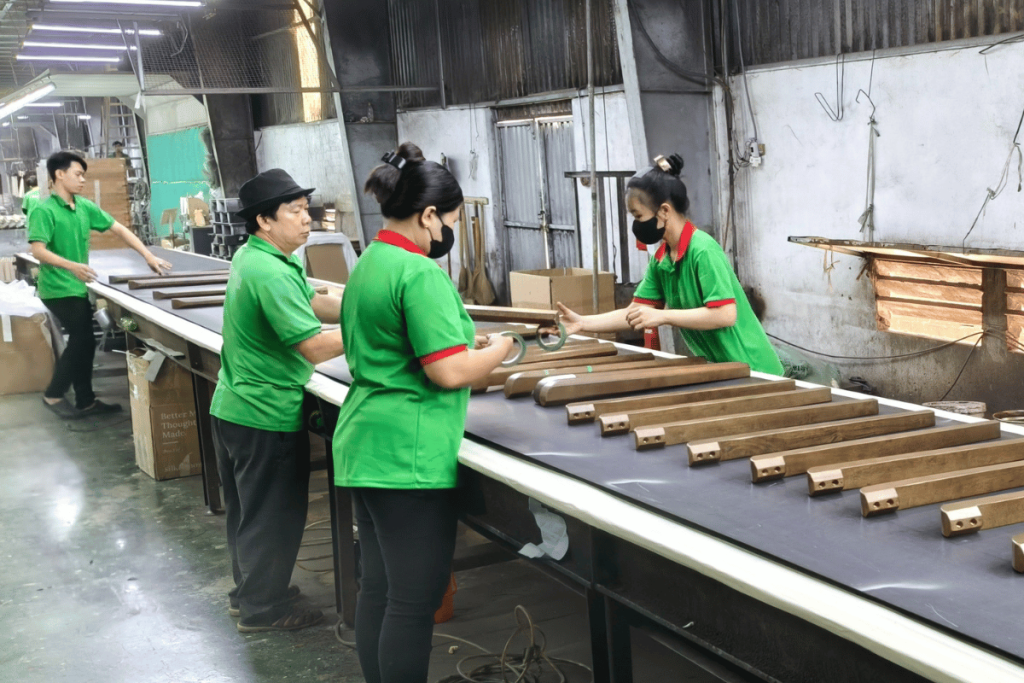
Growing a furniture brand is exciting, but it also brings worry. Many founders focus on sales and style, yet forget what happens behind the scenes. When products fail, the brand feels the pain. This is where furniture manufacturing choices begin to shape trust, reputation, and long-term success. Understanding how risk moves from the factory floor to the customer is key for any growing brand.
Manufacturing Risk and Brand Risk Are Deeply Linked
Manufacturing risk is about what can go wrong during product production. Brand risk is about how customers react when something does go wrong. These two risks are closely connected. A small mistake in furniture manufacturing can turn into a big brand problem if customers feel let down. When production quality drops, buyers do not blame the factory. They blame the brand name on the label.
Many founders face manufacturing challenges when scaling fast. As orders grow, control often slips. This can increase factory risk and raise questions about supplier reliability. Over time, these issues can slowly weaken brand trust.
Why Supply Chains Create Stress for Founders
A long supply chain risk often starts with too many suppliers and unclear roles. When factories are spread across regions, material sourcing becomes harder to manage. If one supplier fails, production delays follow. These delays can break launch plans and damage retailer confidence.
Rising manufacturing costs also add pressure. Founders may cut corners without realizing how material quality affects customer satisfaction. Poor choices here can turn small savings into big losses later.
How Different Production Models Change the Risk
Choosing OEM furniture can help brands scale faster, but it also requires clear standards. Without them, quality control becomes inconsistent. The same applies to private label furniture, where changes to existing designs still need close checks. With white-label furniture, speed is high, but brand identity depends fully on steady results.
Each model carries its own manufacturing risk. The real danger appears when founders do not fully understand who is responsible for checks, fixes, and final approval.
The One Place Where Most Problems Begin
- Unclear responsibility at the factory level
When roles are not clear, factory risk increases quickly. Workers may assume someone else is checking details, which leads to gaps. Over time, this weakens supplier reliability and trust. Small errors repeat and grow. These issues often stay hidden until products reach stores. By then, brand damage has already started. Clear ownership reduces stress and saves time. - Inconsistent checks during production runs
Skipping steps during busy periods is common. This hurts production quality and causes uneven results. One batch may look fine, while the next feels different. Customers notice these changes. Returns increase, and complaints rise. This is a classic form of manufacturing challenges that founders underestimate. Strong routines keep standards steady even at scale. - Weak control over raw inputs
Poor material sourcing leads to surprises later. Colors may vary, textures may feel wrong, or strength may drop. This affects material quality and product life. Customers may not explain why they are unhappy, but they feel it. Over time, trust fades. Consistent sourcing protects both comfort and confidence. - Overloaded timelines and rushed output
Tight schedules often create production delays in unexpected places. Teams rush to catch up and miss small flaws. These flaws travel through packing and shipping. Once delivered, fixing them is costly. This cycle raises manufacturing cost and drains energy. Planning realistic timelines reduces panic and waste. - Too many factories with no single standard
Working with many partners sounds flexible, but it adds supply chain risk. Each factory may follow different rules. Results become hard to predict. Quality varies, and fixes take longer. Founders end up managing problems instead of growing the brand. A single clear standard keeps work aligned and calm.
How Control Protects the Brand
Strong quality control is not about being strict. It is about being clear. When factories know what is expected, results improve naturally. This reduces manufacturing risk and protects the brand image. Consistency builds confidence inside the team and outside with buyers.
At this stage, many growing brands work with DeepGreen Design to reduce uncertainty. By aligning factories, checks, and communication under one clear process, brands gain better visibility and fewer surprises while scaling.
Making Smarter Choices as You Grow
Founders who understand the link between production and perception make better decisions. They ask where risks start and how they travel. They invest early in systems that support stable output. This keeps factory risk low and brand trust high.
Choosing the right mix of OEM furniture, private label furniture, or white label furniture becomes easier when standards are clear. With the right partner, production quality stays steady even as volumes grow.
How DeepGreen Design Helps Reduce Manufacturing and Brand Risk
DeepGreen Design supports furniture brands that want to scale without losing control over production and quality. As brands grow, manufacturing risk often increases due to multiple suppliers, unclear responsibilities, and inconsistent checks. DeepGreen Design brings structure to this process by aligning supplier coordination, quality control, and production oversight under one clear system. Through its Manufacturing+ Supplier Network and defined DeepGreen Standard, brands experience fewer production delays, stronger supplier reliability, and stable production quality. This allows founders to protect their brand reputation while focusing on long-term growth.
DeepGreen provides everything you need to scale your furniture brand with clarity, control, and confidence-
White Label Collections
Choose from 30+ retail-ready and manufacturing-ready collections reserved for your brand. Built on a 15-year record of best-selling programs, these collections remove design and development time while staying priced for high-volume commercial success.
Design and OEM Studio
Backed by over 15 years of global experience, our studio works with your moodboards or existing concepts to develop distinctive collections without limits. From design to supply, every product follows the same DeepGreen standards for safety and finish. If your designs are already prepared, we can OEM-develop them and make them production-ready quickly.
Manufacturing+ Supplier Network
Work through one trusted point of contact to access proven suppliers, reliable production capacity, and a wide range of product types and materials. This approach reduces miscommunication, improves control, and removes the risks that come with managing multiple factories alone.
DeepGreen Standard
Our proprietary process covers the full product lifecycle, including design review, safety testing, prototyping, quality control, and ethical compliance. This discipline delivers an industry-leading after-sales rate below 1 percent and a 100 percent compliance pass rate, helping brands scale while protecting reputation and long-term growth.
Conclusion
Manufacturing risk does not stay in the factory. It travels straight to the customer and lives in their memory. By managing supply chain risk, checks, and partners carefully, furniture founders can protect their brand as they scale. Clear systems today prevent costly problems tomorrow.
Ready to scale with confidence? View the DeepGreen Design furniture catalogue to see retail-ready collections built for steady growth.
Contact DeepGreen Design today to discuss how we can support your next stage.
Visit our catalogue or contact us to start building with clarity.
FAQs
Q1. What is the biggest risk furniture founders face when scaling?
A1. The biggest risk is losing control as orders grow. When checks weaken, small factory issues can quickly become brand problems.
Q2. How does manufacturing risk affect customer trust?
A2. Customers judge brands by feel and finish. When results change, trust drops even if the issue started in production.
Q3. Are faster production models always risky?
A3. Speed itself is not the problem. Risk appears when speed is not supported by strong standards and clear responsibility.
Q4. Why is supplier reliability so important?
A4. Reliable suppliers reduce delays and errors. This keeps timelines steady and protects the brand promise.
Q5. When should a brand seek outside manufacturing support?
A5. Support is helpful when growth feels stressful and control feels thin. Early action prevents long-term damage.
Let's collaborate on your next product line.
Tell us what you have in mind and we'll make it happen.