
Designing for Retail: What Makes a Furniture Collection Sell
Deepak Madnani, DeepGreen Design
March 27, 2026
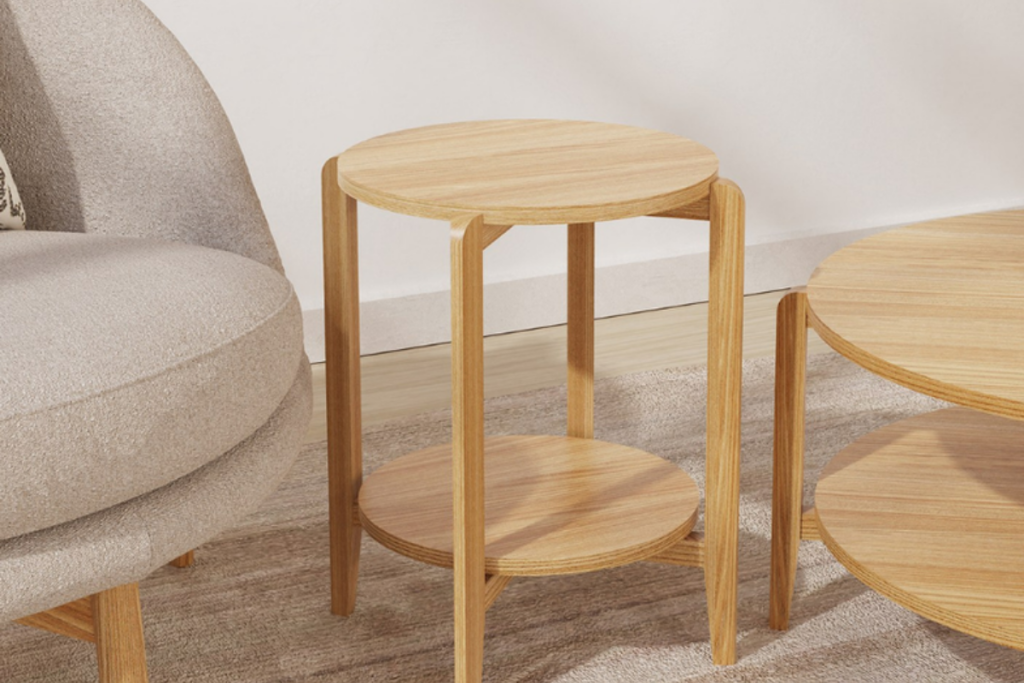
When people walk into a store or browse online, they are not just looking for a product. They are looking for something that fits their life. This is where good furniture design plays a big role. A well-planned collection can attract attention, build trust, and lead to strong sales.
In the furniture market, brands need to think beyond just looks. They must understand how retail furniture works in real-world spaces, how customers perceive it, and how it performs over time. A successful furniture collection is not created by chance. It is built with care, planning, and a deep understanding of buyers.
Let’s break down what really makes a collection stand out and sell.
Understanding the Customer First
Every good collection starts with people. Buyers want comfort, ease, and value. They want products that fit their homes and daily routines. This is why studying furniture trends is so important.
When brands follow real furniture trends, they can create products that feel fresh and relevant. But trends should not be followed blindly. They should be adapted to fit the brand and the customer’s needs.
For example, many buyers today prefer modular furniture because it is flexible and easy to move. This kind of thinking helps brands stay connected to real-life use.
At the same time, people also care about strength and reliability. They want quality furniture that lasts for years. That is why combining style with durable furniture is the key to long-term success.
The Power of Practical Design
Good furniture design is not only about appearance. It is also about how the product works. Can it be used easily? Can it fit into different spaces? Is it comfortable?
A smart furniture collection balances beauty with function. This is especially important in retail furniture, where customers often compare many options before making a choice.
Materials also matter a lot. Many buyers still trust wood furniture because it feels natural and strong. When used well, it adds warmth and value to a collection.
At the same time, production must be efficient. Brands often rely on furniture manufacturing systems that support mass production without losing consistency. This helps maintain supply and meet demand.
Balancing Scale and Identity
As brands grow, they need to think about scale. Selling a few pieces is very different from selling in large numbers. This is where bulk furniture planning becomes important.
Working with a trusted furniture supplier allows brands to manage large orders without stress. It also ensures that every piece meets the same standard.
Some brands choose OEM furniture to bring their ideas to life through expertly developed and produced pieces. Others use white-label furniture to quickly launch products under their own brand name.
Both approaches help businesses grow faster while maintaining their identity. The key is to choose the right path based on goals and market needs.
How DeepGreen Design Supports Growing Brands
As furniture brands scale, they often face challenges such as unclear processes and inconsistent quality. DeepGreen Design helps solve these problems by bringing structure and clarity to every step.
With over 15 years of experience, DeepGreen supports brands through its Design and OEM Studio. Whether you need help generating new ideas or developing existing ones, every product follows a clear, reliable process.
Their Manufacturing+ Supplier Network connects brands to trusted partners, making furniture manufacturing smoother and more controlled. Instead of managing multiple suppliers, brands work through one system.
The DeepGreen Standard ensures that every product meets strict checks from start to finish. This reduces risks and keeps quality stable across all orders.
DeepGreen Design Performance and Experience
DeepGreen Design stands out because of its strong results and proven systems.
- DeepGreen offers more than 30 retail-ready collections that help brands launch faster. These collections are already prepared for retail furniture success and can support quick market entry. Each collection is designed with real customer needs in mind, making them practical and easy to sell. This also reduces the time needed for product development. Brands can focus on growth while using ready solutions. The collections are also aligned with current furniture trends, helping businesses stay relevant. This approach supports both speed and consistency in every launch.
- With over 15 years of experience, DeepGreen has built a strong base in furniture design and product development. This experience helps brands avoid common mistakes and move forward with confidence. The team understands how to create a balanced furniture collection that works in different markets. Their process also supports personalization, allowing brands to shape products around their identity. This deep knowledge helps in building quality furniture that customers trust. It also ensures that every product meets real-world expectations.
- The company maintains an after-sales rate of less than 1 percent, which shows strong product reliability. This is important for brands that want to build trust with their buyers. Lower returns mean better customer satisfaction and fewer post-purchase problems. This result comes from strict checks during furniture manufacturing and final inspection. It also reflects the focus on durable furniture that performs well over time. Brands benefit from fewer complaints and stronger customer relationships.
- DeepGreen achieves a 100 percent compliance pass rate, giving brands peace of mind. This means every product meets the required standards before reaching the market. It reduces risks that often come with mass production and large-scale supply. The process includes testing, review, and careful monitoring at every stage. This level of control is important for brands working with bulk furniture orders. It also supports long-term growth by protecting brand reputation.
The Role of Flexibility in Modern Retail
Today’s buyers want options. They want products that can adapt to different spaces and uses. This is why modular furniture continues to grow in popularity.
Flexibility also helps brands test new ideas. By offering different variations, they can see what works best in retail furniture settings.
At the same time, strong partnerships with a furniture supplier make it easier to manage changes and updates. This keeps the collection fresh without starting from zero.
Bringing It All Together
A successful furniture collection is built on many factors. It needs strong furniture design, a clear understanding of furniture trends, and reliable furniture manufacturing.
It must offer quality furniture people trust and durable pieces that last. It should include practical options such as modular furniture and use OEM and white-label furniture as needed.
With the right planning and the right partners, brands can manage mass production, handle bulk furniture orders, and grow with confidence.
Conclusion
Designing for retail is about more than just creating products. It is about understanding people, building trust, and delivering value every time. A well-planned furniture collection can turn interest into sales and customers into long-term supporters.
For brands looking to grow, the right balance of design, production, and strategy makes all the difference.
Explore DeepGreen Design’s Furniture Catalogue. Contact us today to start building your next successful collection.
FAQs
Q1. What makes a furniture collection successful in retail?
A1. A strong mix of design, function, and customer understanding helps a collection perform well in retail spaces.
Q2. Why is furniture design important for sales?
A2. Good furniture design attracts attention, improves usability, and builds trust with buyers.
Q3. How does mass production affect furniture quality?
A3. With the right systems, mass production can maintain consistent quality across large volumes.
Q4. What is the role of a furniture supplier?
A4. A furniture supplier helps manage production, ensures a steady supply, and supports business growth.
Q5. Why is modular furniture popular today?
A5. Modular furniture offers flexibility and convenience, making it suitable for modern living spaces.
Let's collaborate on your next product line.
Tell us what you have in mind and we'll make it happen.