
Planning for 2026: Tips and Checklist for a Furniture Retailer Planning to Expand in the Next Year
Deepak Madnani, DeepGreen Design
November 17, 2025
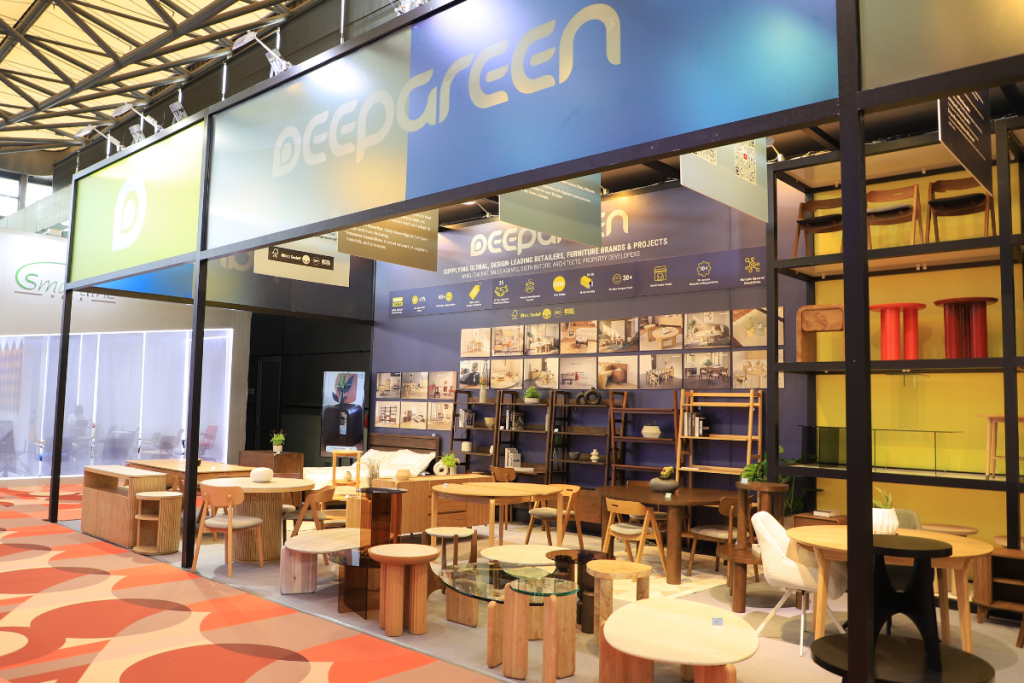
The year 2026 is just around the corner, and if you are running a furniture business, now is the perfect time to plan your expansion. Growing your store or starting new locations can feel exciting and scary at the same time. But with the right planning, you can make smart choices that help your business succeed. This guide will walk you through everything you need to know about expanding your furniture business in simple, easy steps.
Why Planning Matters More Than Ever
When you want to grow your furniture business, having a clear plan is like having a map for a long journey. Without it, you might get lost or waste money on things that do not work. A good expansion plan helps you understand what customers want, where to open new stores, and how to work with the right furniture supplier. The furniture industry is changing fast, with more people shopping online and looking for special products. If you prepare well, you can turn these changes into great opportunities for your business.
Understanding What Customers Want in 2026
Before you expand, you need to know what people will be looking for when they shop for furniture next year. Customers today care about more than just price. They want furniture products that match their values and lifestyle. Many people now prefer wooden furniture made from materials that do not harm the environment. They also want to see how furniture looks in their home before buying, which is why online tools that show 3D images are becoming popular. Young families and working professionals often look for furniture that can be customized to fit their space. If you partner with a furniture manufacturer who understands these trends, you will have products that customers really want to buy.
Working With the Right Partners
One of the biggest decisions you will make is choosing who will supply your furniture. Finding a reliable furniture factory can make or break your expansion plans. You want to work with B2B furniture suppliers who can deliver good quality products on time and at fair prices. Some retailers work with a white label furniture manufacturer, which means they can sell furniture under their own brand name. Others choose a private label furniture manufacturer to create unique pieces that no other store has. Both options can help you stand different from competitors. When you talk to any furniture company, ask about their furniture production process, how they handle furniture shipping, and what happens if there are delays or problems. Building strong relationships with B2B furniture partners now will save you many headaches later.
Money Matters: Planning Your Budget
Expanding costs money, and you need to know exactly how much you will need. Start by writing down all the expenses you can think of. This includes rent for new stores, paying employees, buying inventory from your furniture supplier, and marketing to let people know about your business. You should also plan for unexpected costs because something always comes up. Many furniture retailers find it helpful to keep at least three to six months of expenses saved in case of emergencies. Think about where the money will come from too. Will you use savings, get a bank loan, or find investors? Each option has good and bad points, so choose what works best for your situation. Remember to check your profits regularly to make sure you are spending wisely.
Getting Your Operations Ready
When you expand, your daily operations become more complicated. You will have more inventory to track, more employees to manage, and more customers to serve. Investing in good computer systems now will save you time and prevent mistakes. A cloud-based system can help you see how much inventory you have in all your stores at once. This way, you will never run out of popular items or waste money on things that do not sell. You also need to think about furniture shipping and how products will get from your furniture factory to your stores and then to customers. Some retailers work with shipping companies that handle everything, which can be easier than doing it yourself. The location of your new store matters a lot too. Look for places where your target customers live, work, or shop. A great location with lots of people walking by can bring in customers without you having to spend much on advertising.
Making Your Brand Shine
As you grow, your brand becomes even more important. Your brand is not just your logo or store name. It is the feeling people get when they think about your business. Are you known for top quality furniture at great prices? Do you offer the best customer service? Are you the go-to place for beautiful wood furniture? Whatever makes you special, make sure everyone knows about it. Use social media to share pictures of your products, happy customers, and behind-the-scenes looks at your business. When you post regularly and respond to comments, people feel connected to your brand. If you are opening stores in new cities or towns, take time to learn what people there like and need. What works in one place might not work in another. You might need to adjust your products, prices, or marketing to fit each location. Also consider starting a rewards program where customers earn points or discounts for shopping with you. This keeps them coming back instead of going to competitors.
Building a Strong Team
Your employees are the heart of your furniture business. As you expand, you will need more people to help run things smoothly. Hiring the right people takes time, but it is worth it. Look for employees who are friendly, honest, and willing to learn. They should know about furniture products and be able to help customers make good choices. Retail jobs can be hard, and many people quit after a short time. To keep good employees, pay them fairly, treat them with respect, and give them chances to grow in their careers. Training is also super important. Your team should know everything about the wooden furniture you sell, how to handle customer complaints, and how to use your computer systems. When employees feel valued and prepared, they do better work and make customers happier. Good communication matters too, especially if you have multiple stores. Use apps or online platforms to share updates, policies, and news with everyone at the same time.
Checklist for Key Partnership Decisions
Choosing the right partners is critical when expanding your furniture business. Here are important points to consider when evaluating potential partners:
- Verify production capabilities: Make sure any OEM furniture manufacturers you consider can handle your order volumes. Ask to see their furniture factory or get detailed information about their equipment and capacity. You need to know they can grow with you as your business expands.
- Check quality standards: Request samples of furniture products before committing to large orders. Top quality furniture should be sturdy, well-finished, and meet safety standards. Ask about their quality control process and whether they test products before shipping.
- Understand lead times: Talk clearly about how long furniture production takes from order to delivery. Also discuss furniture shipping timelines and what happens if there are delays. Knowing this helps you manage customer expectations and avoid running out of stock.
- Evaluate flexibility: The best B2B furniture suppliers can adjust to your changing needs. Can they handle rush orders? Will they work with you on custom designs? Do they offer options for both white label furniture manufacturer services and standard products? Flexibility can be a huge advantage as you test what sells best in new markets.
- Review contract terms: Read all agreements carefully before signing. Pay attention to minimum order quantities, payment terms, return policies, and who pays for damaged items. Do not be afraid to negotiate terms that work better for your furniture business.
- Assess communication: Working with a furniture company that responds quickly to questions and keeps you updated is so important. Poor communication leads to mistakes, missed deadlines, and frustrated customers. Test how they communicate during the early conversations.
- Consider location and logistics: Where is the furniture manufacturer located? If they are far away, furniture shipping costs might be high and delivery might take longer. Sometimes paying a bit more for a closer supplier saves money and headaches in the long run.
- Look at their other clients: Ask for references from other retailers they work with. Talking to current clients gives you honest information about what it is really like to work with them. You can learn about potential problems before you commit.
Getting Ready for Success
Expanding your furniture business in 2026 can be one of the best decisions you ever make. With good planning, the right partners, and a focus on what customers want, you can grow your business while keeping the quality and service that made you successful in the first place. Remember that expansion does not happen overnight. Take it step by step, learn from any mistakes, and celebrate your wins along the way. Stay flexible because things will not always go exactly as planned, and that is okay. The most successful retailers are those who can adapt while staying true to their core values. Whether you are opening your second store or your twentieth, approaching growth with care and thoughtfulness will help you build a furniture business that lasts for many years to come.
Frequently Asked Questions
Q1: How much money should I save before expanding my furniture business?
A1: Aim for three to six months of operating expenses plus basic startup costs.
Q2: Should I focus on online sales or physical stores when expanding?
A2: A mix of online presence and a physical location works best for most buyers.
Q3: What is the difference between working with a white label furniture manufacturer and a private label furniture manufacturer?
A3: White label offers ready products for any brand, while private label creates exclusive items for one brand.
Q4: How do I choose the right location for a new furniture store?
A4: Pick a visible, accessible area with strong foot traffic and your target customers nearby.
Q5: How long does it usually take to see profits from a new store location?
A5: Many new furniture stores take six to twelve months to become profitable.
Let's collaborate on your next product line.
Tell us what you have in mind and we'll make it happen.