
How White-Label Furniture Collections Reduce Launch Risk
Deepak Madnani, DeepGreen Design
February 9, 2026
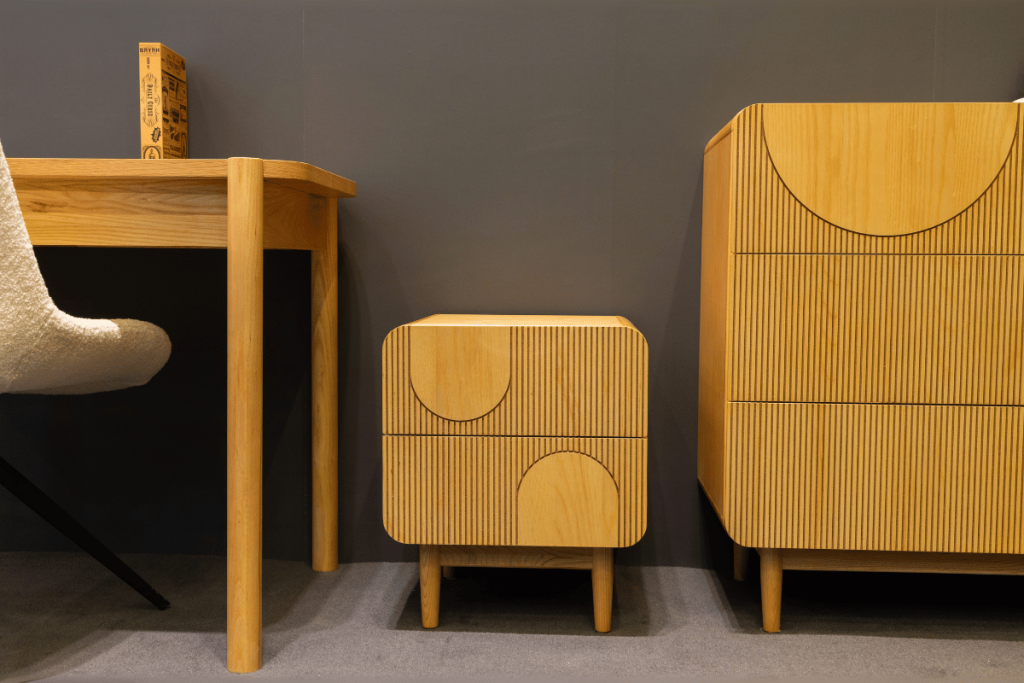
Starting something new is exciting, but it can also feel scary. This is very true for furniture brands. A new idea can take months of work, a lot of money, and many decisions. If one small thing goes wrong, the whole plan can slow down or fail. That is why many furniture brands today look for safer ways to grow. One proven path is using white-label collections. These collections help brands move faster, feel more confident, and avoid common mistakes.
When brands choose white-label furniture, they are not starting from zero. They are building on something that already works. This simple shift can lower stress and bring better results, especially during early growth stages.
Why Launching Furniture Is Risky in the First Place
Furniture brands face many challenges when bringing new products to life. Designs may look good on paper but fail in real use. Delays can happen during furniture manufacturing, and costs can rise without warning. New brands also struggle with timing. Missing the right season can hurt sales badly.
Another issue is trust. Retailers and buyers want proof that products are ready and reliable. Without past data, this can be hard. That is where ready collections can help. They offer tested designs and stable production paths, which reduce guesswork and fear.
The Comfort of Starting With Something Ready
Using pre-designed furniture allows brands to focus on growth instead of fixing problems. These pieces are already planned, developed, and prepared for production. Brands do not need to worry about early design errors or long testing cycles.
For companies entering new regions, this helps with smooth market entry. Products are aligned with common buyer needs, which increases acceptance. When timing matters, this approach can speed up the go-to-market process and keep plans on track.
How White-Label Collections Lower Launch Risk
White-label collections give brands a safer starting point. Instead of guessing what may work, brands use designs with a known structure and clear production steps. This lowers launch risk and protects budgets.
These collections also support a smoother product rollout. Because items are prepared in advance, brands can launch more products together, creating a stronger first impression. With white-label furniture, teams spend less time fixing issues and more time selling.
Private and OEM Paths That Support Growth
Many brands choose private label furniture when they want small changes while keeping a proven base. This allows personalization without heavy delays. It helps brands stay unique while avoiding common design mistakes.
Others prefer OEM furniture, where development and furniture manufacturing are handled together. This path reduces confusion and keeps quality consistent. Both options support stable growth and help brands stay focused on long-term goals.
Where DeepGreen Design Supports Brands With Confidence
- DeepGreen Design removes uncertainty for growing furniture brands, especially when supplier networks feel complex and hard to manage. With more than 15 years of experience, the team understands how launch risk grows when brands scale too fast without strong systems in place. Their approach focuses on clarity, control, and calm decision-making, which helps brands move forward with confidence instead of stress.
- Through white-label furniture collections, brands gain access to over 30 retail-ready options that are prepared for furniture manufacturing from day one. These ready collections allow faster market entry while keeping costs predictable. Brands do not need to invest time or money into early development stages, which makes planning easier and safer.
- For brands seeking more involvement, private label furniture options allow thoughtful personalization while staying within proven design structures. This balance helps brands stand out without slowing down their go-to-market plans. It also supports a smoother product rollout across different markets.
- DeepGreen Design also supports brands through OEM furniture services, where development and furniture manufacturing are managed under one clear process. This reduces miscommunication and avoids delays that often happen when working with multiple factories.
- A strong Manufacturing and Supplier Network allows brands to work through one point of contact instead of many. This lowers errors, improves coordination, and reduces launch risk across every stage of production.
- The DeepGreen Standard ensures safety checks, testing, and quality reviews are followed carefully from start to finish. This process helps brands maintain trust with buyers and protect their reputation as they grow.
- By removing operational noise and offering ready collections alongside design and OEM support, DeepGreen Design helps brands focus on growth instead of supply chain worries. This steady support allows brands to scale with confidence and clarity.
Planning a Smoother Go-To-Market Journey
A calm launch often performs better than a rushed one. Using pre-designed furniture helps brands stay focused and organized. With fewer surprises, teams can plan marketing, pricing, and delivery with confidence.
This approach also supports repeat success. Once brands see positive results, expanding becomes easier. Each product rollout feels more familiar, controlled, and reliable.
Conclusion: A Safer Way to Grow
White-label collections offer a practical way to reduce risk while growing a furniture brand. They help brands move faster, protect budgets, and avoid common mistakes. By starting with proven structures, brands can focus on building trust and long-term success.
To view our latest furniture catalogue and see how ready collections can support your next launch, visit DeepGreen Design’s catalogue.
If you are ready to discuss your next step or need guidance, contact DeepGreen Design to start a confident growth journey today.
FAQs
Q1. How does white-label furniture help new brands?
A1. It provides ready collections that reduce early planning stress and help brands launch faster with more confidence.
Q2. What is the benefit of private-label furniture?
A2. It allows personalization while keeping a tested design base, which helps reduce delays and mistakes.
Q3. Why is OEM furniture useful for scaling brands?
A3. It combines development and furniture manufacturing, making processes clearer and more reliable.
Q4. How do ready collections support market entry?
A4. They offer products that are already prepared for buyers, helping brands enter new markets smoothly.
Q5. How can brands reduce launch risk long-term?
A5. By using structured processes, trusted partners, and proven product paths for each product rollout.
Let's collaborate on your next product line.
Tell us what you have in mind and we'll make it happen.