
How White-Label Helps Brands Test New Markets Safely
Deepak Madnani, DeepGreen Design
March 24, 2026
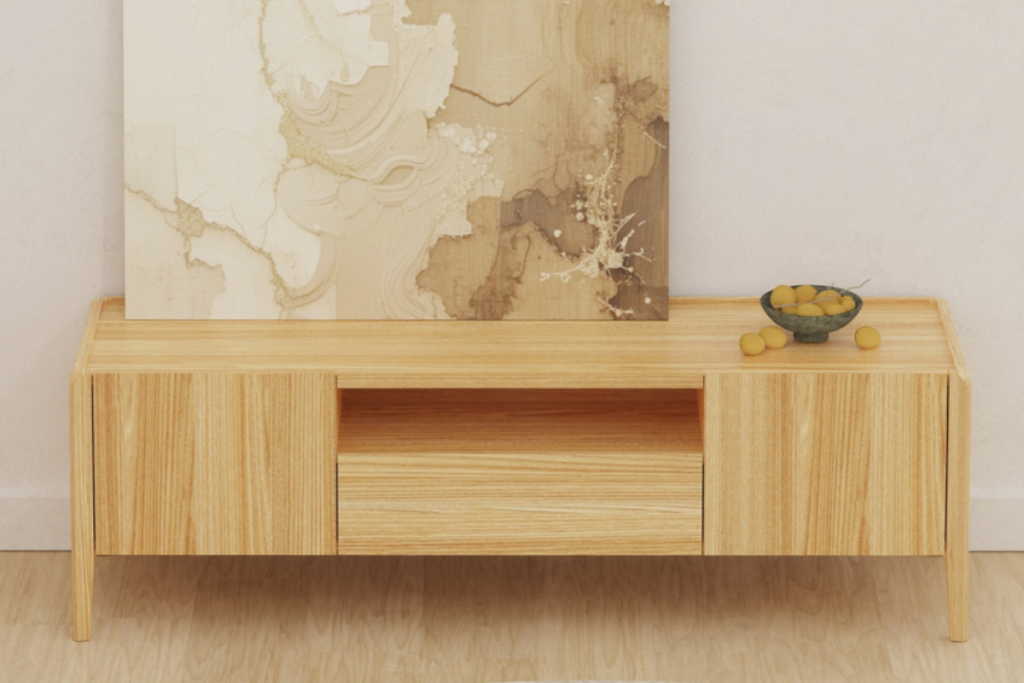
Entering a new market can be exciting for any furniture brand. It opens the door to new customers, new retail partners, and new business opportunities. At the same time, it also brings uncertainty. Brands often wonder whether their products will match local demand, whether pricing will work, and whether the supply chain will support steady growth.
Because of this uncertainty, many companies prefer to begin with careful furniture market testing before committing to large investments. Testing allows brands to understand customer preferences and make better decisions before expanding further.
Launching products in a new region also requires reliable furniture manufacturing and strong coordination with the right partners. Without proper planning, delays or supply issues can affect the success of a furniture product launch.
This is why many brands use white-label furniture as a practical way to enter new markets. It allows companies to offer products under their own brand while using ready collections that are already prepared for furniture production. This approach reduces risk while still allowing brands to move forward with confidence.
Why Market Testing Matters for Furniture Brands
Every market has different preferences when it comes to furniture. A product that performs well in one country may not receive the same response in another region. This is why furniture market testing is an important step before expanding fully.
Testing helps brands understand which styles, materials, and price points work best for local customers. It also gives businesses time to adjust their strategy before making large commitments in furniture production.
During this stage, brands often work closely with a trusted furniture supplier who can provide guidance and support. A reliable partner helps ensure that early orders arrive on time and meet the expectations of retailers.
Retailers themselves also depend on a steady retail furniture supply when they introduce new brands. If products sell well, they need to reorder quickly. This is why strong coordination between brands and suppliers is essential during early market testing.
White-Label as a Safe Entry Strategy
White-label solutions offer brands a simple and structured way to enter new markets. Instead of creating completely new products, businesses can use ready furniture collections that are already prepared for production.
With white-label furniture, brands place their own identity on existing designs and introduce them to customers. This makes the furniture product launch process much faster and easier.
Some companies also combine this with private label furniture options. These allow small adjustments so the product better fits the brand’s identity while still benefiting from a proven design base.
When businesses want to develop their own concepts, OEM furniture becomes useful. Through this approach, brands can move from idea to production while working closely with an experienced furniture manufacturing partner.
Together, these options provide a flexible system that supports safe furniture market testing while maintaining a stable retail furniture supply.
A Path Toward Long-Term Business Growth
Testing new markets is not just about selling a few products. It is about building the foundation for future expansion.
When a furniture product launch performs well, brands often increase their order volumes. This is where scalable furniture production becomes important. A system that can grow with demand allows companies to expand without disrupting their supply chain.
At the same time, brands that succeed in one region often move into others. Working with a reliable furniture export manufacturer helps companies manage international shipments and maintain consistency across different markets.
Many growing companies also rely on furniture wholesale networks to distribute their products to retailers. These networks require a dependable supply and clear production planning.
When all these elements work together, furniture brand manufacturing becomes more organised and predictable. This creates the stability needed for long-term furniture business growth.
How DeepGreen Design Supports Safe Market Expansion
- DeepGreen Design helps brands approach furniture market testing with greater confidence by providing structured solutions that reduce uncertainty. Through its ready furniture collections, businesses can begin their furniture product launch without spending months developing new designs. These collections support white-label furniture programs, allowing brands to enter new markets quickly while maintaining their identity. Because the designs are already prepared for furniture production, companies can test customer response before committing to larger investments in furniture manufacturing.
- Another advantage comes from DeepGreen’s design and OEM studio, which supports structured furniture product development. Brands that want to expand their product range can use OEM furniture solutions to bring their own ideas into production. At the same time, private label furniture options allow companies to personalise existing collections so they better match their brand direction. This flexible system makes it easier for businesses to adjust their strategy during furniture market testing while still maintaining a clear path toward furniture business growth.
- DeepGreen also simplifies supplier coordination through its manufacturing network. Acting as a central furniture supplier, the company connects brands with trusted factories through a single point of contact. This approach improves communication and supports stable furniture production even during early market testing stages. As a furniture manufacturing partner, DeepGreen helps brands manage both small trial orders and larger volumes as demand grows.
- Global distribution is another key part of market expansion. As a furniture export manufacturer, DeepGreen helps brands supply products across different regions while maintaining consistency in quality and delivery. Businesses that rely on furniture wholesale networks benefit from this structure because retailers need a reliable retail furniture supply when new products succeed. This organised system helps companies scale their operations smoothly while keeping their brand reputation strong.
- Finally, the DeepGreen Standard ensures that every stage of furniture manufacturing follows a clear and disciplined process. From early planning to final quality checks, the system supports stable furniture brand manufacturing and reduces unexpected production issues. This structure allows brands to move from small market tests to scalable furniture production with confidence, helping them build long-term furniture business growth.
Why DeepGreen Is Built to Support Safe Market Expansion
Entering a new market can bring exciting opportunities, but it also requires careful planning. Brands need to test demand while making sure their production system can support growth. DeepGreen Design helps businesses manage this process through structured development and manufacturing systems.
30+ Ready Collections for Faster Market Entry
DeepGreen offers access to more than 30 design-leading white label collections that are already prepared for retail and manufacturing. These ready furniture collections allow brands to begin furniture market testing quickly without investing time in early product development. Businesses can launch products under their own brand while evaluating how customers respond in a new market.
15+ Years of Global Manufacturing Experience
With over 15 years of experience working with international furniture companies, DeepGreen understands how to support brands entering new markets. This experience helps businesses manage their furniture product launch while maintaining stable furniture production and reliable retail furniture supply.
Design and OEM Studio for Product Personalisation
DeepGreen’s Design and OEM Studio supports structured furniture product development for brands that want to create their own collections. Businesses can develop new ideas through OEM furniture services or adjust existing products through private label furniture options. This flexibility allows companies to refine their product strategy during furniture market testing.
Manufacturing+ Supplier Network for Global Supply
Through its Manufacturing+ Supplier Network, DeepGreen connects brands with trusted factories through one central system. This approach simplifies supplier coordination and ensures consistent furniture production as demand grows. It also allows brands to expand into larger furniture wholesale programs once their market testing shows positive results.
DeepGreen Standard for Risk Reduction
The DeepGreen Standard provides a structured process covering design review, safety testing, prototype evaluation, and final production inspection. This disciplined approach ensures stable furniture brand manufacturing and protects brand reputation. Because of this system, DeepGreen maintains an after-sales rate below 1 percent and a 100 percent compliance pass rate, helping companies expand into new markets with greater confidence.
Conclusion
Entering a new market always involves some level of risk. Customer preferences may vary, and supply chains must be ready to support new product launches.
By using structured solutions like white-label furniture, brands can approach furniture market testing with greater confidence. Ready collections allow businesses to introduce products quickly while keeping production organised.
When reliable partners, scalable systems, and strong supplier networks work together, brands can move from early testing to stable expansion. This careful approach helps companies grow steadily while protecting their resources and reputation.
To view collections designed to support safe market expansion, visit the DeepGreen Design furniture catalogue.
If you want to plan your next furniture product launch or discuss your market strategy, contact the DeepGreen Design team to start building your next stage of growth.
FAQs
Q1. What is white-label furniture?
A1. White-label furniture allows brands to sell ready-made products under their own name while using designs prepared for production.
Q2. Why is furniture market testing important?
A2. Furniture market testing helps brands understand customer demand before expanding fully into a new region.
Q3. How does OEM furniture support new product launches?
A3. OEM furniture helps brands develop and manufacture their own product ideas while working with experienced production partners.
Q4. What role does a furniture supplier play in expansion?
A4. A reliable furniture supplier helps brands maintain a stable retail furniture supply during market entry and growth.
Q5. Why is scalable furniture production valuable?
A5. Scalable furniture production allows brands to increase output smoothly as sales grow in new markets.
Let's collaborate on your next product line.
Tell us what you have in mind and we'll make it happen.